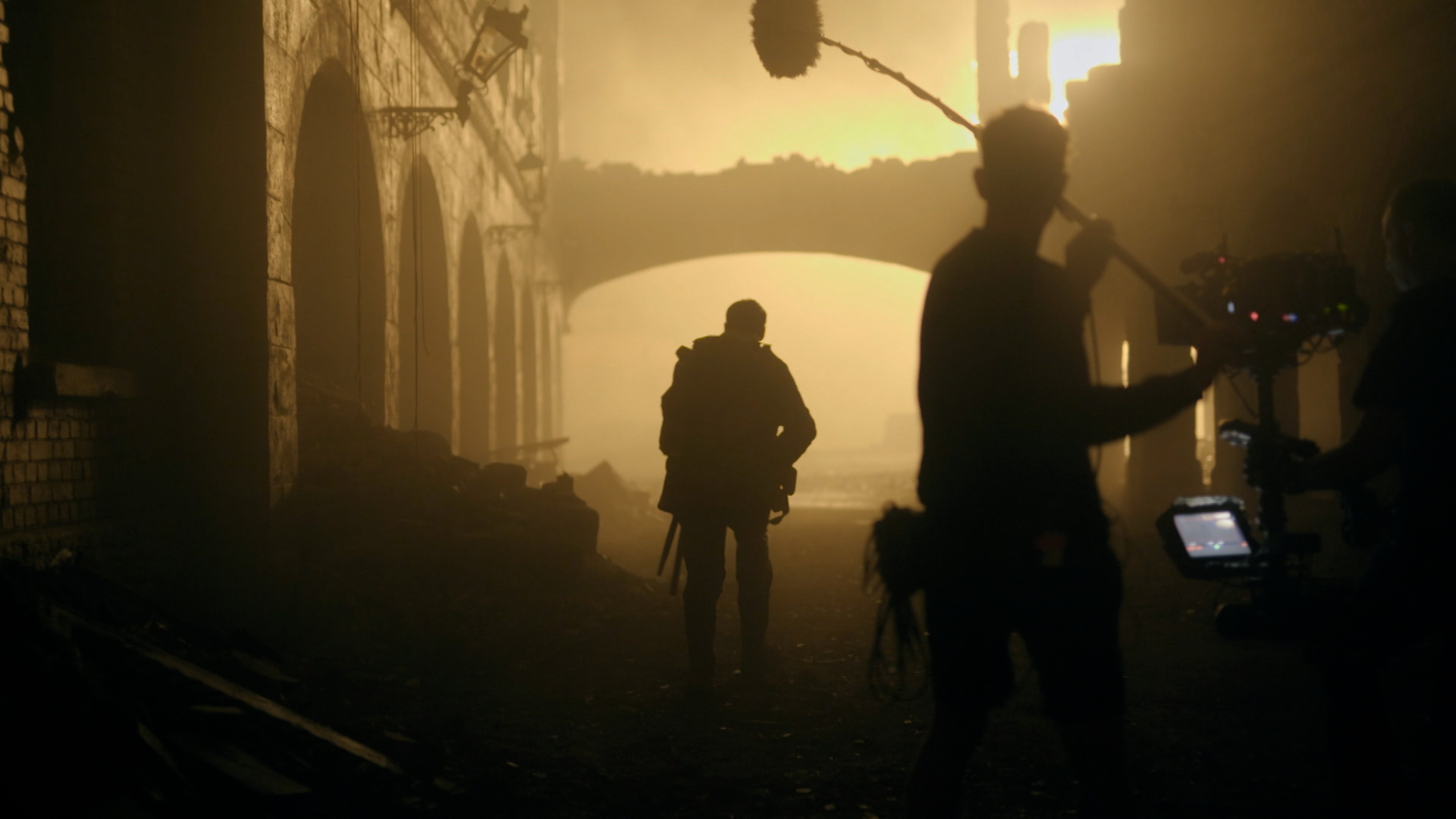
When discussing war films, World War II reigns supreme. Films like Saving Private Ryan , Dunkirk , and Schindler’s List keep enchanting viewers, while films about World War I Remain comparatively uncommon. However, why does the Great War, one of history’s most destructive wars, receive such limited focus in contrast?
Here’s an examination of the factors contributing to this difference in cinema quality.
Cultural Relevance and Distance
World War I has gradually faded from our shared memory. With the last survivors of the war passing away more than ten years back, most of us now maintain some connection to World War II through family members or direct experience. Because this later conflict feels closer to contemporary times, it appears more real and evokes stronger emotions for today’s generation.
Moreover, America's participation in World War I was restricted. The U.S. entered the conflict during its last 19 months and saw about 53,000 fatalities from battle. Although considerable, these losses were far less than the substantial 400,000 American casualties in World War II.
Theatrical Appeal and Storytelling
In terms of visuals and storytelling, World War II provides much greater diversity. The worldwide stage spanned from the frigid Russian wilderness to the lush beaches bordering the Pacific Ocean. Grand skirmishes took place in captivating locations such as Pearl Harbor, Midway Island, and North Africa, with elements of spying, underground resistance groups, and critical cryptanalysis weaving intricate plots throughout.
World War I In stark contrast, this period was characterized by brutal trench warfare, desolate landscapes, and constrained tactical innovation. Troops remained stuck in waterlogged trenches for months, making only slow progress measured in meters. The main approach involved launching assaults on opposing positions. This method resulted in staggeringly heavy losses without much visual drama.
Morality and Villainy
One of the starkest distinctions may lie in the ethical straightforwardness of the two conflicts. World War II stood as a fight against some of history’s most notorious antagonists—the Nazis , whose heinous acts and ideologies make them ideal villains for narratives. Their clear-cut good versus evil perspective creates a compelling drama that appeals to viewers.
On the contrary, World War I does not have such distinct boundaries. Its roots are intricately political and convoluted, entangled with alliances, imperial aspirations, and misjudgments. Depicting the intricate nature of its triggers and involved parties in film can be daunting, particularly for contemporary viewers who prefer straightforward storytelling.
Perceptions of Success
An additional aspect is the way these conflicts are commemorated. World War II ended with the unconditional capitulation of the Axis powers, instilling a lasting feeling of victory among the Allied forces. In contrast, World War I concluded in disappointment. Referred to as the "War to End All Wars," it did not succeed in averting subsequent wars and was actually a precursor to World War II. This result complicates efforts to create narratives with fulfilling endings.
A Desire for Additional Tales
Even with these difficulties, World War I presents unexplored opportunities for moviemakers. Films such as 1917 and No changes needed as the title "All Quiet on the Western Front" should remain unchanged. has shown that the Great War can provide engaging, emotionally powerful, and spectacular visual stories.
The enormous scope of the conflict, which resulted in more than 15 million fatalities and 20 million injuries, means there are numerous untold narratives just waiting to be uncovered. Ranging from individual soldier experiences to broader social transformations, the First World War offers an extensive wealth of content that warrants greater cinematic exploration.

0 Comments:
Post a Comment