An enthusiastic voyager, who served as part of the French naval forces, worked as a journalist, and also illustrated various works, Pierre Loti recorded his expeditions through Europe, America, Asia, and Africa. Deeply engrossed in his travels and assignments, he was particularly influenced by his journey to Morocco, focusing extensively on this region in one of his notable writings. His profound emotional bond with the place molded his perspective towards the Arab-Muslim world.
During the period from the 18th to the 20th centuries, Morocco drew many writers and explorers. The British explorer Emily Keene assumed the role of Sherifa in Ouezzane, while French anthropologist Odette du Puigaudeau chronicled the lives of nomads across Morocco. Meanwhile, American writer Paul Bowles chose Tangier as his secondary residence. Earlier, in the 19th century, it was the French navy officer Pierre Loti who developed an intense fascination with this area. His writings overflowed with appreciation for Arab and Persian civilizations, along with those of the broader Middle East and North Africa regions.
Louis Marie Julien Viaud, born in 1850 in Rochefort-sur-Mer, France, and passed away in 1923, is more widely recognized under his pseudonym, Pierre Loti. Although he initially aspired to be a musician when young, Loti did not foresee spending much of his life with the navy. Possessing talent for both sketching and art, he joined the French Naval Academy at seventeen years old and embarked on his career amid widespread French colonial military activities.
Loti was profoundly impacted by the loss of his elder sibling, Gustave, a naval doctor who perished while serving on an assignment in Poulo-Condor (now part of Vietnam). Following this, his initial naval assignments resulted in his maiden extended journey, which also saw him elevated to the rank of first-class midshipman at merely 19 years old. The subsequent year found him navigating towards Easter Island before proceeding with further exploration of Tahiti.
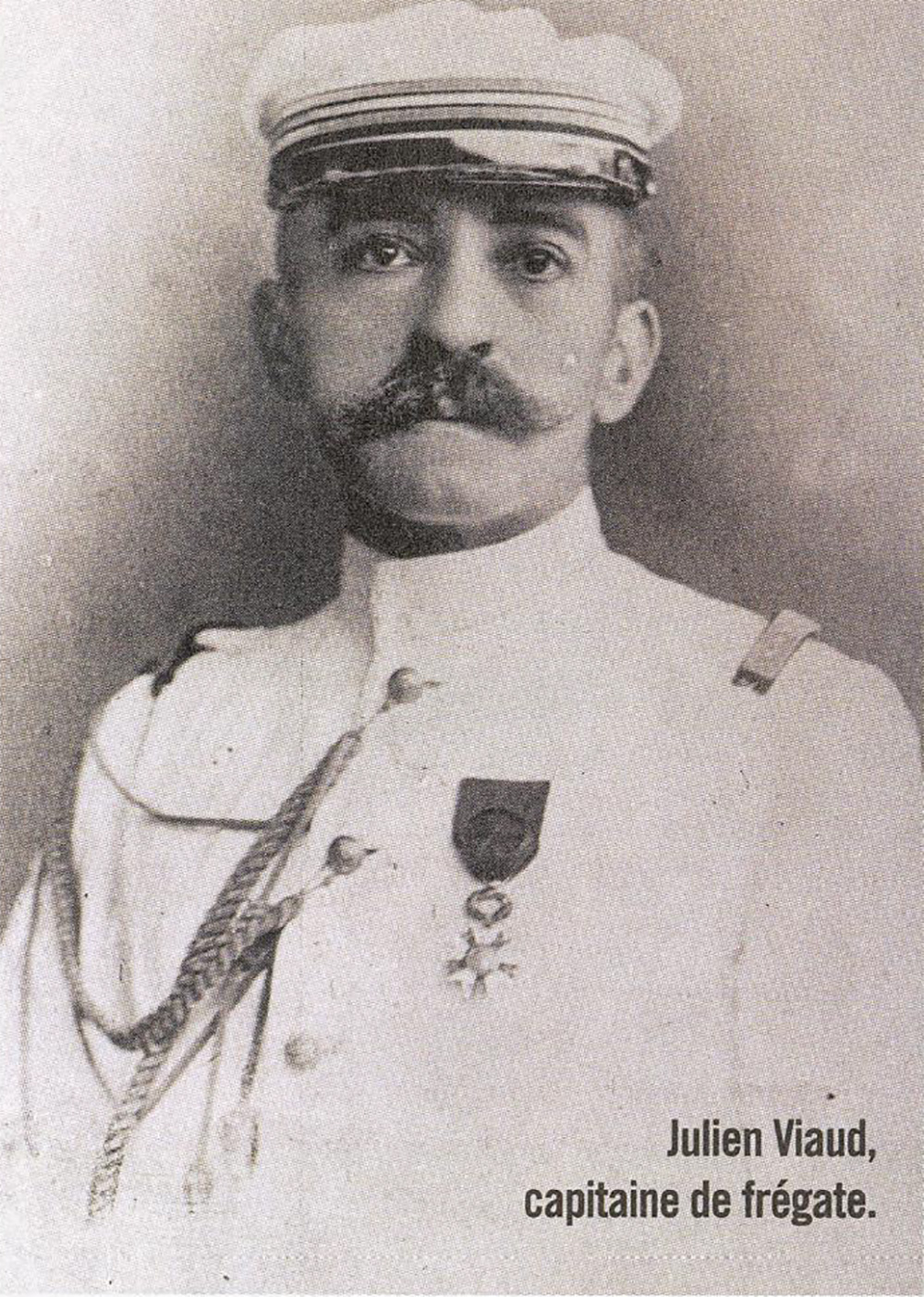 Pierre Loti
Pierre Loti’s assignments typically entailed producing illustrations to complement reports for the French Ministry of the Navy. Additionally, to help sustain his economically troubled family, he would sell his drawings to various weekly publications. L’Illustration and Le Monde illustré .
A Roaming Official Smitten with Morocco
Even though he wore a military uniform, Pierre Loti remained disconnected from the prevailing colonial mentality of his time and did not completely immerse himself in the military ethos associated with his assignments. Since his early years, driven by an intense love for art and literature, he kept up the practice of maintaining a diary, despite never viewing himself as a professional author. His initial piece of published work, Azyadé In 1879, it was not attributed to him. His subsequent piece, Le mariage de Loti (1880) was released using the pen name "The Author of" Azyadé».
He didn't adopt "Loti" as his pen name until 1881, which was inspired by a moniker given to him by the attendants of Tahitian Queen Pomaré IV (1827–1877). Also in that year, Roman d’un spahi It was the initial piece to bear Pierre Loti’s signature. Furthermore, one of his assignments led him to participate in the Sino-French War (1881–1885). After being promoted to lieutenant, he described the Capture of Huế (1883) in newspaper articles. Le Figaro .
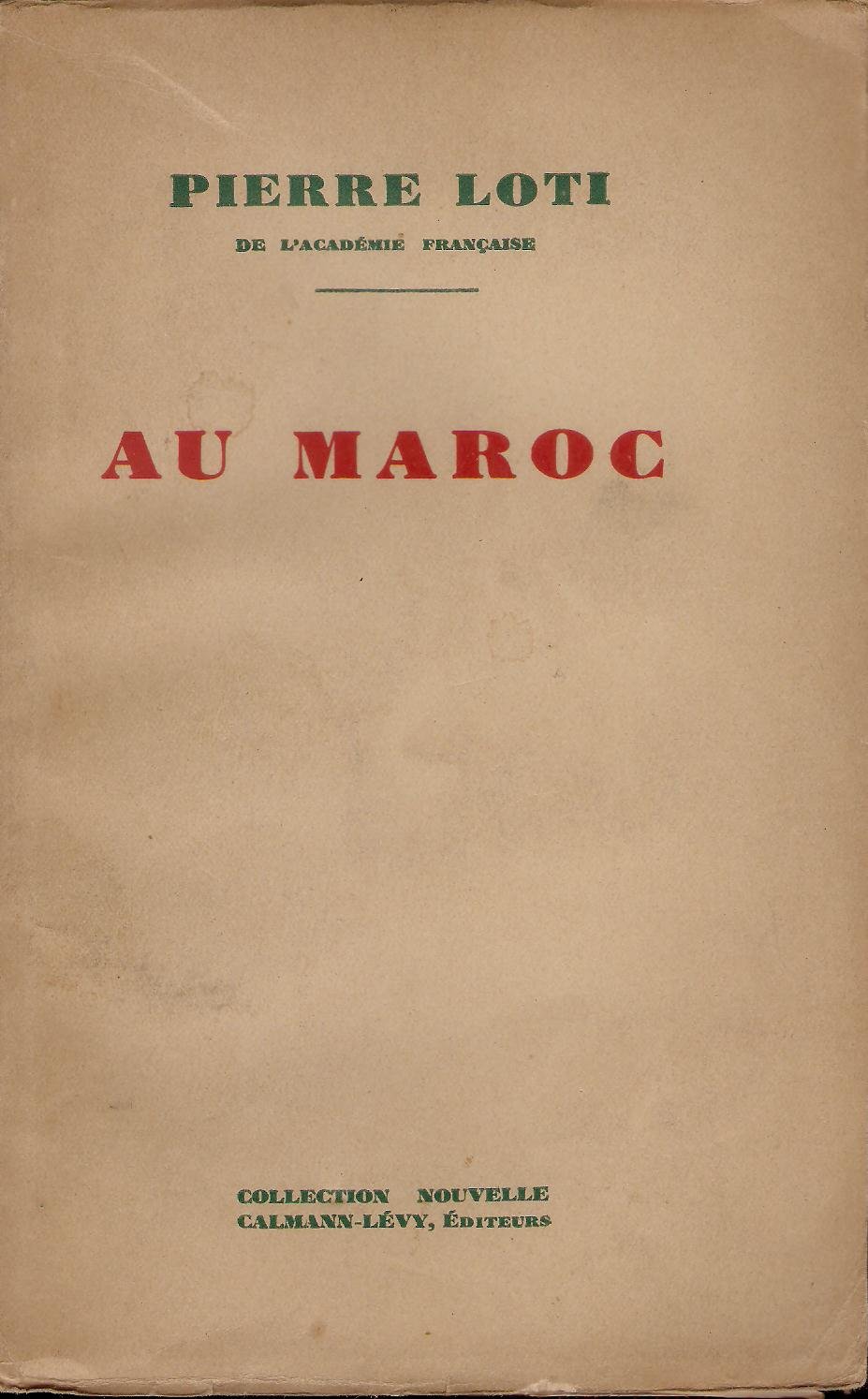
As his career advanced, Pierre Loti evolved into a globetrotter. He traveled extensively across Turkey, Japan, India, Persia, Jerusalem, Algeria, and Morocco. Drawn to the varied cultures of North Africa and the Middle East, he declared having "a half-Arab soul," fully engaging with local traditions that deeply influenced his lifestyle. This experience is reflected in one of his notable works. Au Maroc (1890) vividly chronicles his journeys across the kingdom. In a later publication, Fès , which originated from Au Maroc In recounting his experiences, he describes his welcome at the French embassy and his encounter with Sultan Hassan I (1873–1894).
The two books provide an extensive description of the officer-traveler's enchantment as they depict various cities and regions, beginning with the northern metropolis. "Starting from the southern shores of Spain, at locations such as Algeciras and Gibraltar, one can observe across the water, on the opposite shore, the white city of Tangier. This initial Moroccan city is situated closely to our continent, acting almost like a sentry stationed at the most northerly tip of Africa; within just three or four hours by steamer, travelers reach there, attracting numerous visitors every winter," he notes in his writings. Au Maroc .
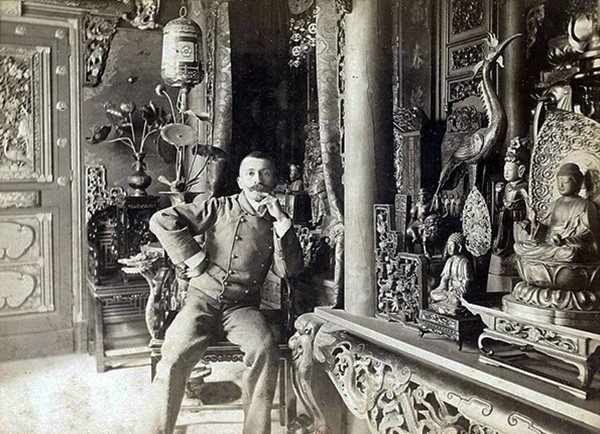
From afar, the city of Tangier appears almost joyful to Pierre Loti, who notices "villa-style houses nestled within gardens," setting them apart from structures that retain a distinctly "Muslim look" compared to those found in Algerian cities. He also points out the "snow-white walls, towering crenelated kasbahs, and minarets adorned with weathered tiles." Unlike most of his peers, Loti makes an effort to keep some emotional detachment from this land where he believes he doesn’t truly fit in.
In his book, he states that there will be no discussion about Moroccan politics, its future, or how to integrate it into the modern movement. "Primarily, this topic does not interest or concern me at all, and secondly, my limited knowledge contradicts conventional wisdom," claims Loti.
The specific information I gained regarding the government, harems, and the court due to certain situations was so personal that I chose not to share it, even though I found these insights acceptable within my thoughts. This decision came out of concern that such details could fuel idle chatter amongst those prone to gossiping. Should the Moroccans who welcomed me happen to be interested enough to read this account, I sincerely hope they recognize and respect the discretion with which I handled these matters.
A Reception in Fès
Pierre Loti continues to be wary, steering clear of any form of voyeuristic behavior. "Even within these chaste depictions to which I have limited myself, I remain highly suspicious of being biased towards this Islamic land," he notes. "I, who through some mysterious ancestral echo or prior existence, have perpetually sensed my spirit as half-Arab: the tunes of the petite African flutes, the beats of the drums, along with the clanging cymbals stir up profound recollections deep inside me, enchanting me more so than the most sophisticated symphonies," he elaborates.
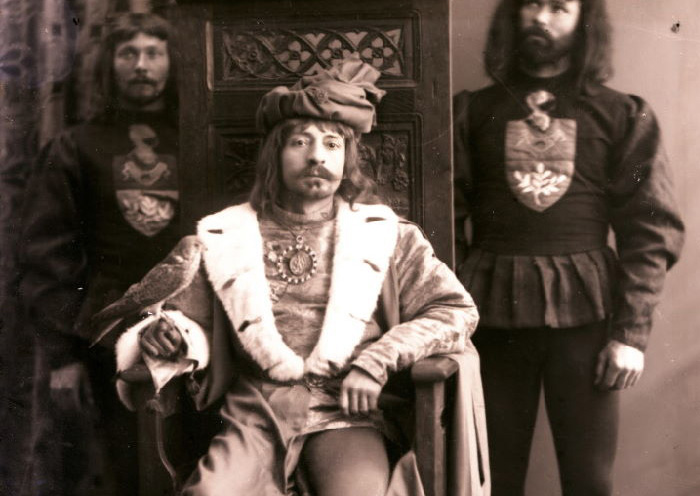
In Morocco, the author remembers meeting "only welcoming individuals—possibly somewhat enigmatic, yet always smiling and polite—even amongst everyday folks in the throngs." He elaborates, "Each time I attempted to reciprocate their kind gestures, they responded with that charming Arabic custom: placing a hand over the heart, bowing slightly, accompanied by a grin showing remarkably bright teeth."
In his Moroccan travel diaries, Pierre Loti vividly documents his journey from Tangier to Fez via Ksar el-Kebir, traveling on mules and horses supplied by Sultan Hassan I. During this trip, he details his arrival into the holy city where he was received formally and met with the monarch. Throughout his account, he mentions various rivers and "ancient goat trails," which were etched over time by the frequent passage of trading caravans.
The author recognizes his emotional connection to the area, finding joy in witnessing how it remains protected from American or European influences. "My sense of contentment grows stronger with the feeling of being distant from that character described by Huysmans—a connoisseur of train journeys and sleepers' cars," he notes. This figure, ultimately a skillfully depicted archetype of the modern senior gentleman and significant express traveler, inspires him. The author even extends his admiration to the sultan.
In my delight at realizing such characters do not yet exist in Morocco, I initially feel grateful toward the Sultan of Fez for prohibiting sleeping cars within his realm and for maintaining the untamed trails where one can ride horses, slicing through the breeze...
Upon completing his voyage on horseback and mule through Fès, Pierre Loti’s regard for Hassan I deepens, leading him to view him with an esteem mixed with reverence. "His handsomeness inspires gratitude within me; his rejection of parliaments, presses, railroads, and roads garners my approval," he notes. "The splendid steeds he rides, along with the gift of a long silver-adorned rifle and a grand golden-hilted sword, further fuel my admiration. His lofty indifference toward modern upheavals commands my respect,” he comments.
Similar to his belief, I feel that the enduring faith from earlier times, which continues to produce martyrs and prophets, remains valuable and comforting for people as they face their end. Why go through great lengths to transform everything, to comprehend and accept numerous new ideas, when ultimately we all have to die? Since each of us will inevitably pass away someday—whether under the sun or in the shadows—at a time solely known to the divine?
Recognition in France
Following his travels in Morocco, Pierre Loti traveled to Algeria in 1891. Later that year, he was chosen by the French Academy to occupy the position left empty by the death of novelist and dramatist Octave Feuillet (1821–1890). On April 7, 1892, the seafarer and acclaimed writer assumed his place within this esteemed organization, giving an extensive address honoring Feuillet, while also recalling the warm welcome he experienced during his time in North Africa and the Islamic world.
In this speech, he reminisced about his humble start in writing: "The day following the release of those initial pieces, brimming with awkwardness and lack of experience, I traveled through Paris during a break between two extensive trips. Quite astonished, yet somewhat delighted to discover that my work had been noticed, I experienced genuine joy when, at my publishing house, I received a card from Octave Feuillet. He conveyed his interest in meeting me and extended an invitation for us to connect."
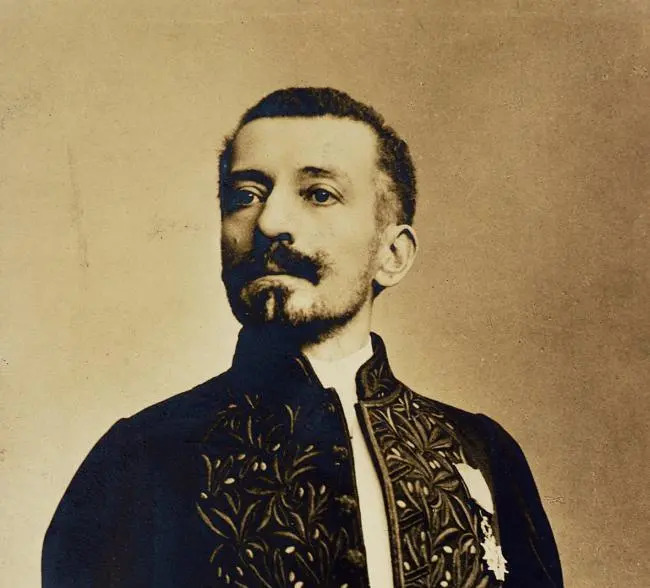
In that same year, Pierre Loti's bibliography expanded with the addition of two further works: The book of mercy and death and Fantôme d’Orient Meanwhile, he kept serving in the navy. In 1889, he was promoted to frigate captain, and he achieved the position of ship captain in 1906. Following 42 years of dedicated service, he retired on January 14, 1910.
Although Pierre Loti had laid down his uniform, he remained devoted to his travels, driven by the ambition to devote more time to his first passions: writing and travel. However, the reprieve was short-lived, as he donned his uniform again in 1914 to volunteer at the start of the First World War (1914–1918).
Following his service with the Italian army, Pierre Loti was discharged in 1918 due to health issues. He went on to release additional publications, among them Some Aspects of Global Vertigo , Charmant interlude court au cœur de l'horreur , and Les massacres d’Arménie During his lifetime, his final publication occurred in 1921. The subsequent year, the author was awarded the insignia of the Grand Cross of the Legion of Honor.
On June 10, 1923, Pierre Loti passed away in Hendaye, leading to a state funeral being conducted for him. After his death, his unpublished writings were gathered and released by his son, Samuel Viaud. Un jeune officier pauvre The initial diary to undergo editing posthumously was published in 1923. In 1925, Journal Intime 1878–1881 was released, followed by the third and concluding volume, Journal Intime 1882–1885 , in 1929.
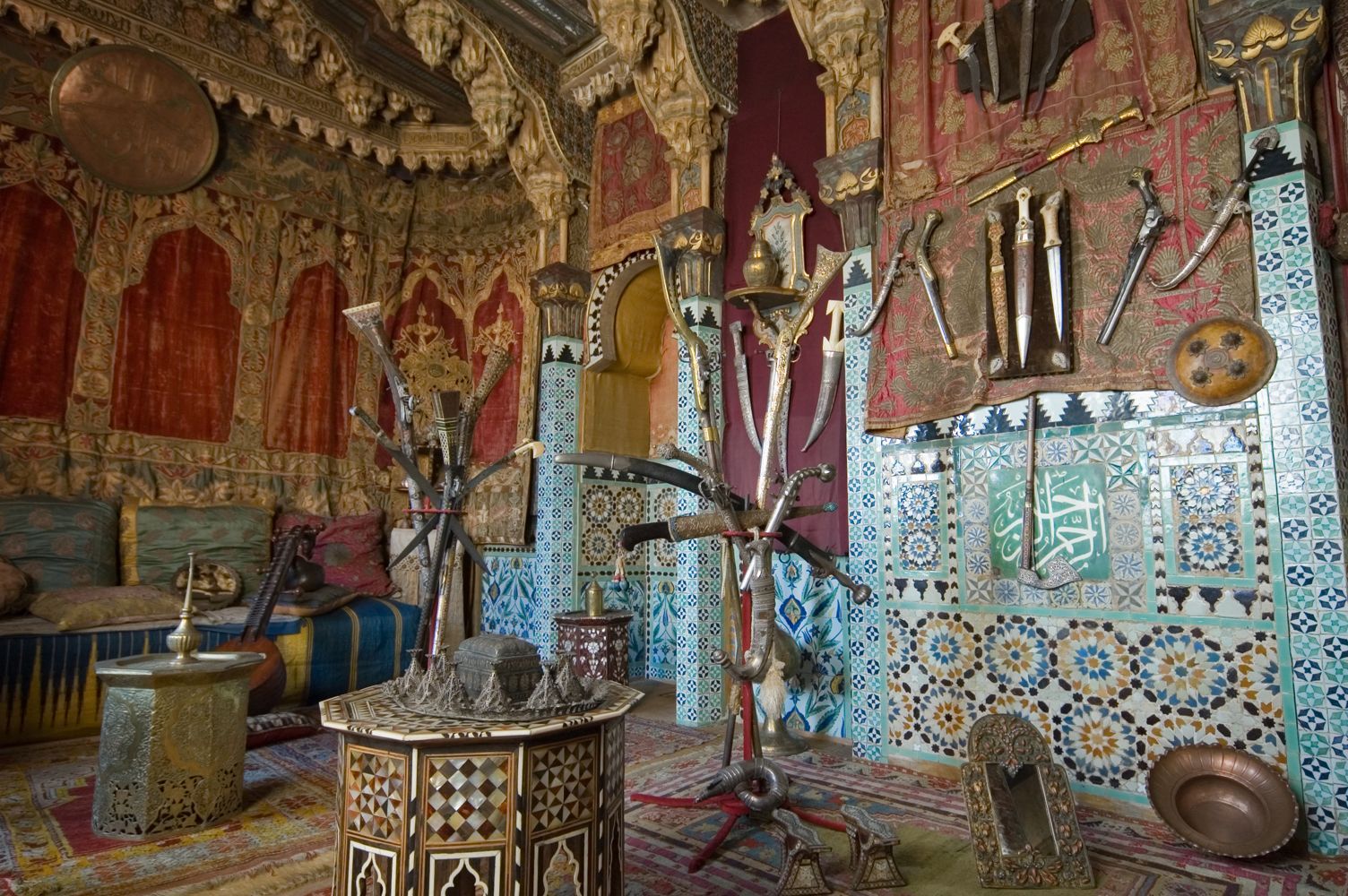 The residence of Pierre Loti
Following this, Pierre Loti’s legacy was preserved by transforming his previous residence in Rochefort into a museum and exhibit area. This location encapsulates the author’s interests and obsessions with the Orient and North Africa, highlighting how the southern shores of the Mediterranean Sea impacted the ex-sailor.
Following several years of being closed, the location is set to welcome the public again in June 2025, giving guests a chance to explore the items that Pierre Loti collected during his journeys.

0 Comments:
Post a Comment