Airplane travelers will no longer be required to scan their boarding passes or go through check-in procedures prior to departure as part of the most significant overhaul of air travel in half a century.
As per the guidelines set by the International Civil Aviation Organisation (ICAO), within three years, travelers will have the option to undergo facial recognition scans upon arriving at airports and can also store their passport information on their mobile devices.
This will eliminate the conventional procedure of showing a boarding pass to security personnel and providing your passport at the check-in desk.
Instead of holding onto paper documents for identification purposes, travelers can now use a 'digital travel credential,' which will be saved on their smartphones.
This digital package will contain all necessary documents for boarding your plane, such as passports and flight information.
Included in their travel package, customers can download a 'travel pass' app on their smartphones. This app will notify them promptly should there be any changes to their flight status, such as delays or cancellations.
Based on the quantity of baggage checked-in at the airport, travelers will proceed with security checks either at the check-in counter or at the dedicated security lanes.
Airlines will be told of a passenger's intention to fly after their face is scanned by security after arrival at the airport.
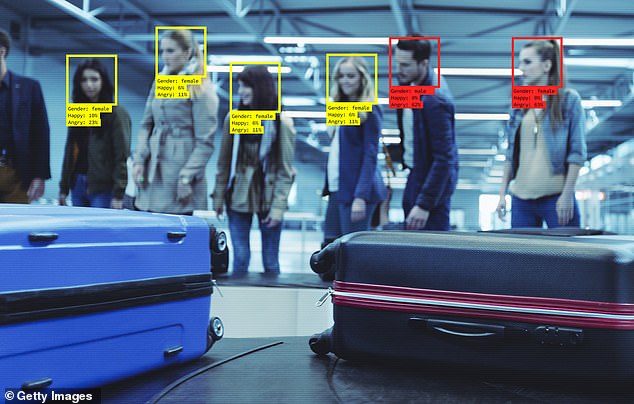
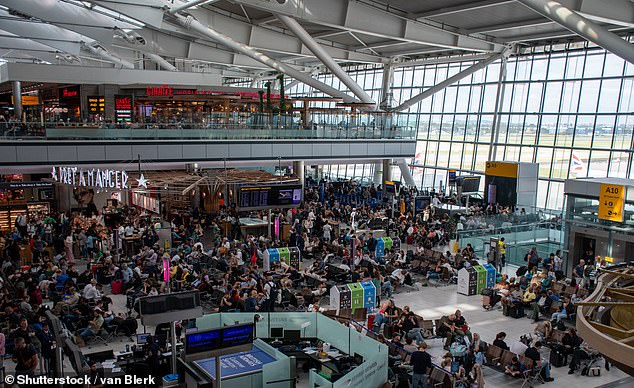
At present, prior to departure, travelers are required to either obtain their boarding passes through an online download or print them out at the airport facilities; these printed documents are subsequently scanned upon reaching the boarding gate.
However, with the introduction of the new system, this step will no longer be required, and it is anticipated that this change will significantly expedite the security screening process at airports once implemented.
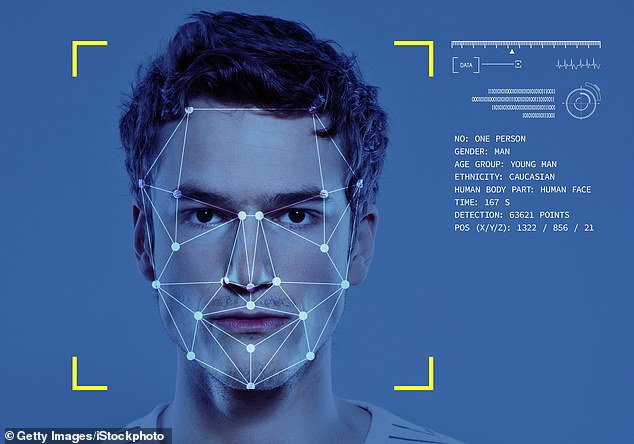
Nevertheless, airports must implement facial recognition systems to compare passport photos with individuals' faces.
The ICAO has stated that airports will not retain any data captured through computer scans during the check-in procedure.
All data captured will be removed from the computer system within 15 seconds to avoid any potential leaks of personal info.
A limited number of countries employ facial recognition technology in this manner, with one example being the United States for individuals arriving back home from international travel.
Last year, the Home Office mentioned they were considering implementing e-gates at border checkpoints with facial recognition technology as an alternative to presenting a passport.
In an interview with The Times, Valerie Viale from Amadeus, the globe’s premier travel tech firm, stated: "These modifications represent the most significant developments in half a century. Numerous airline systems have remained unchanged for over five decades as consistency and interoperability must prevail throughout the sector."
Currently, airlines possess systems that operate in isolation.
'The reservation system connects with the delivery system once check-in begins, communicating "I have the reservations; you may start delivering them now." '
'In the future, this process will be much smoother, with the "journey pass" becoming more flexible.'
Along with the simplified method for security screenings, certain carriers are contemplating incorporating a 'location-based' feature into their digital travel package.
British Airways, Air France-KLM, Finnair, and Saudia Airlines are reportedly assessing the service, designed to offer passengers guidance to their boarding gates.
Additionally, there will be an option to automatically notify rental car companies about flight delays, preventing any misunderstandings or additional fees.
Nevertheless, airports have historically faced issues by becoming overly dependent on technology.
Last July, flights were halted globally due to a Microsoft outage triggered by a defective update that led to widespread disruption.
Departure boards at airports such as Heathrow, Gatwick, and Edinburgh became non-functional, leaving travelers stuck for several hours.
Read more
0 Comments:
Post a Comment